🎉 Up to 70% Off Selected ItemsShop Sale
1 / 4
Historic Coast Salish Dugout Canoe from Washington State
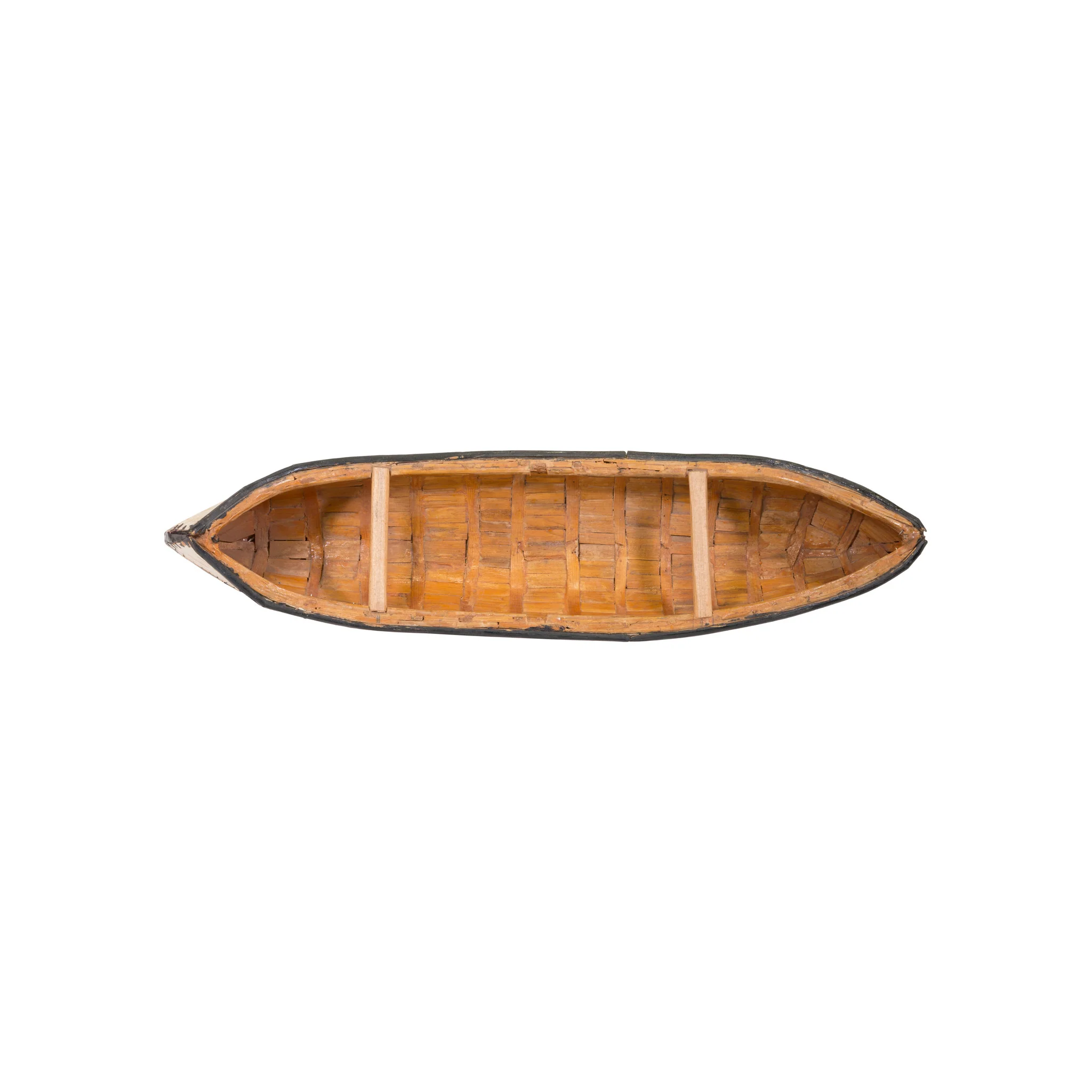
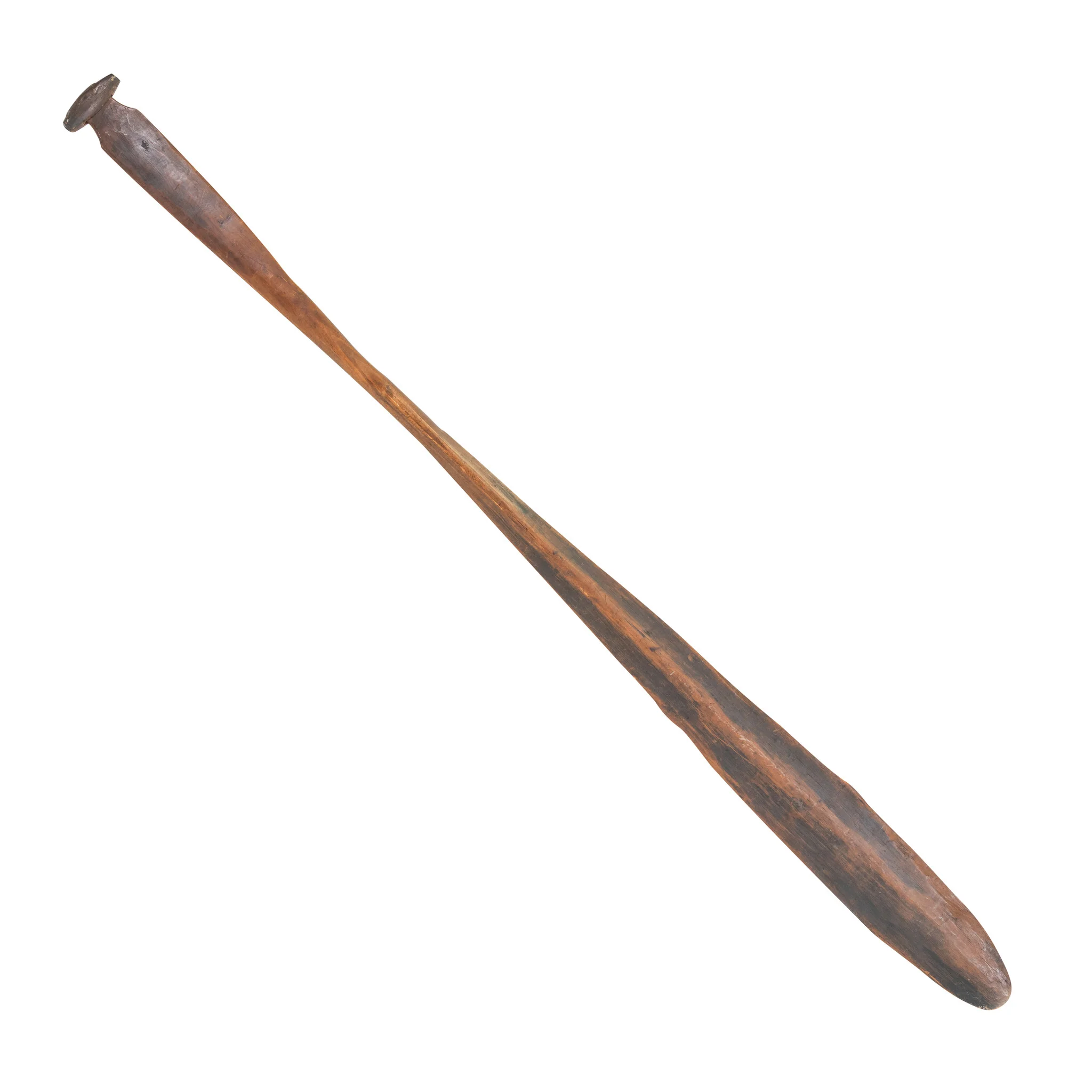
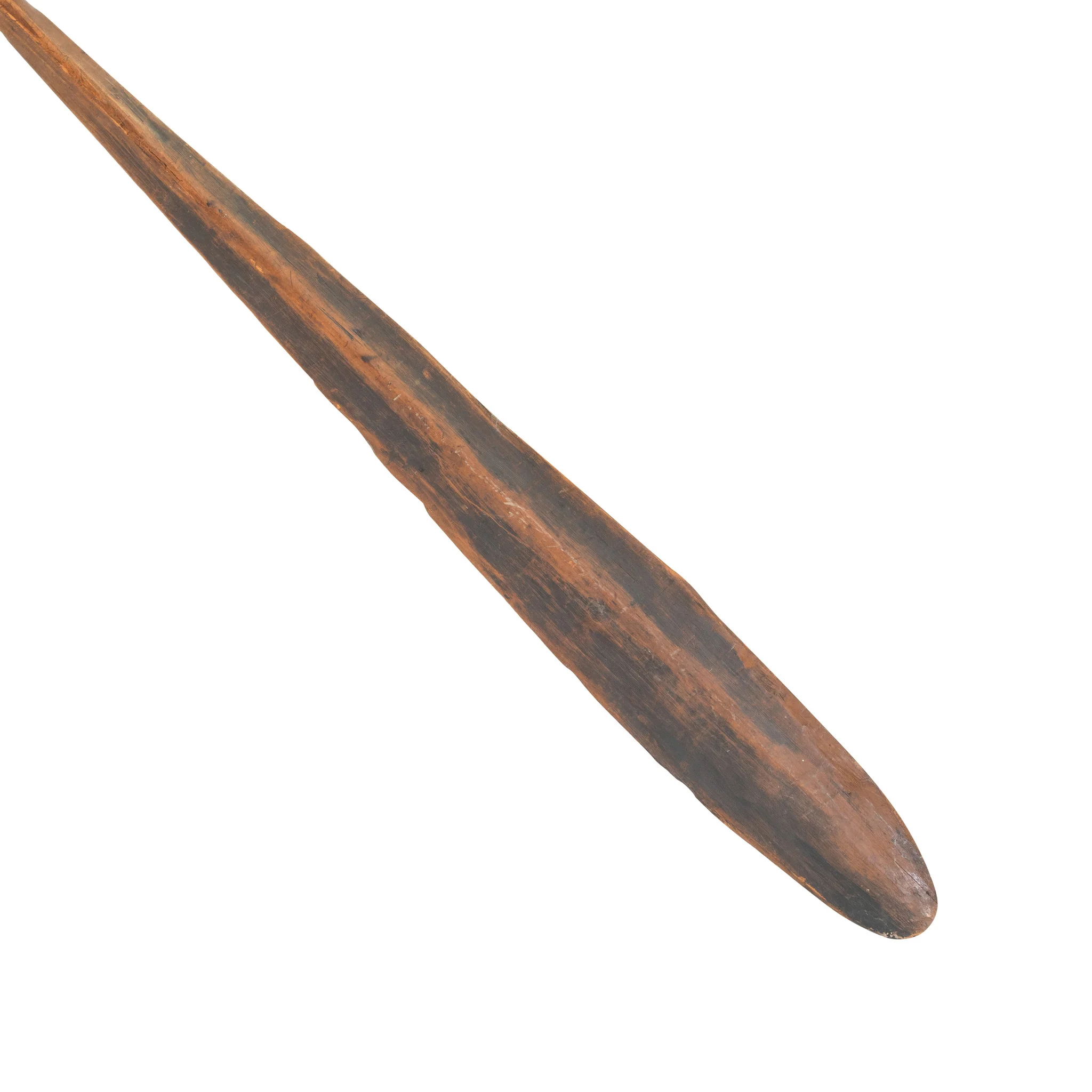
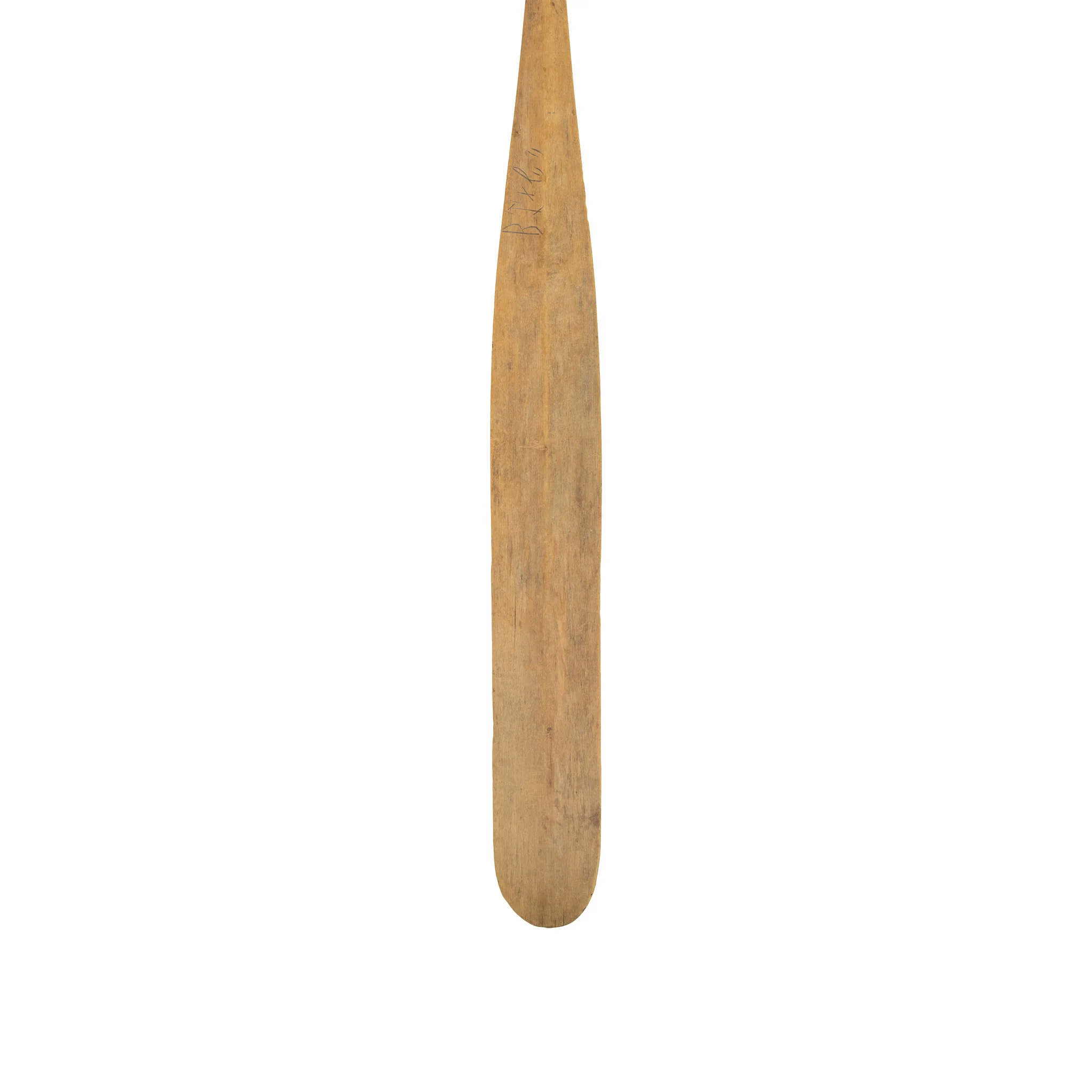
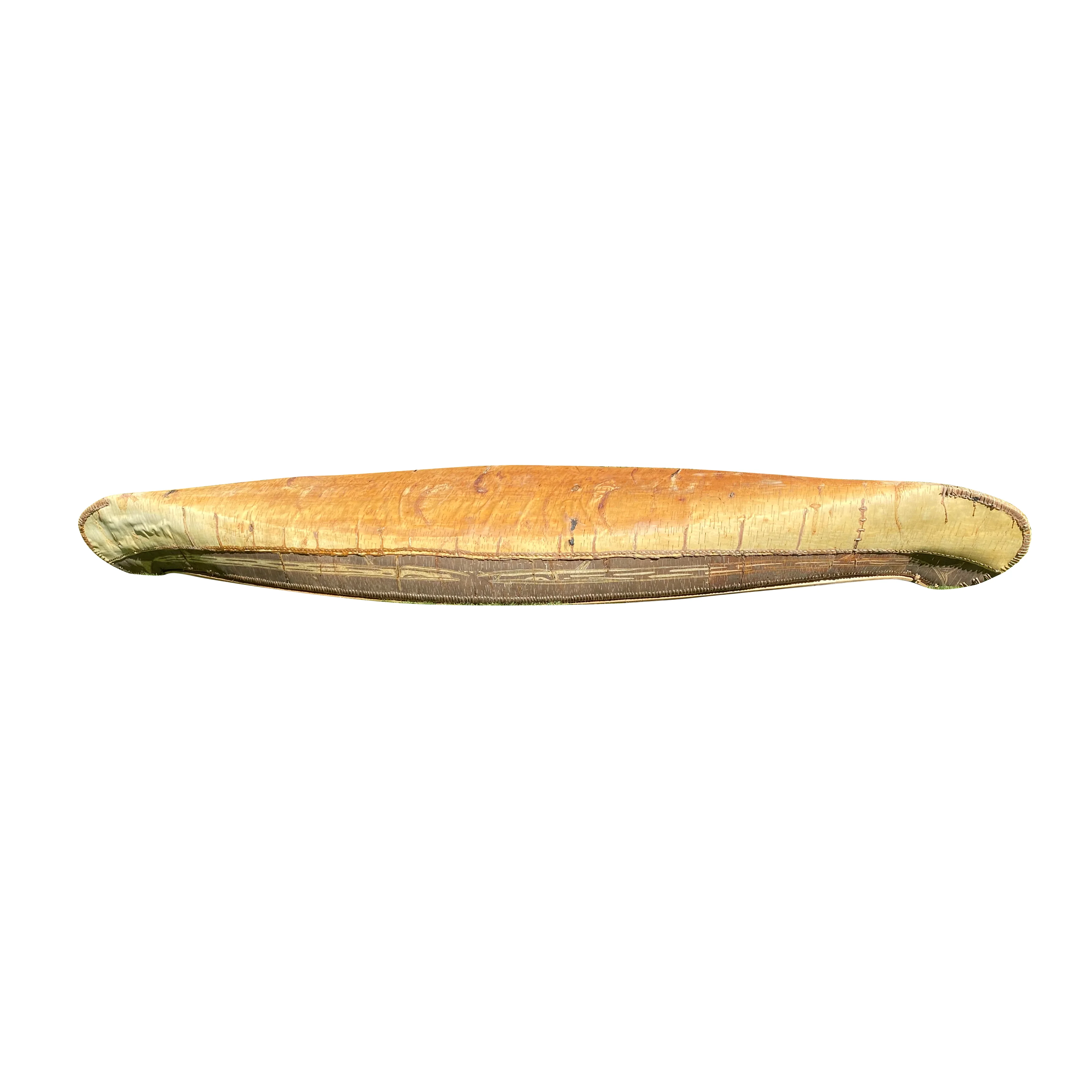
Historic Coast Salish dugout canoe from Washington State, circa 1900. Dugout canoes were the backbone of coastal life for Indigenous people of the Northwest Coast.
The technology to create a seaworthy vessel from a single log of wood enabled Northwest Coast Native people to travel vast distances, facilitated trade and intermarriage with distant groups, increased hunting and fishing opportunities, and allowed these communities to amass immense wealth and resources.
The size of these vessels varied from small, single-person personal fishing boats to massive, 60-feet-plus head canoes that could hold dozens of men. Although the fine details varied, there was amazing consistency in the construction of these vessels from Oregon in the south to Yakutat Bay in the north, in the Gulf of Alaska.
This smaller, two-person vessel is most likely Coast Salish, either from Puget Sound (Suquamish or Duwamish) or the outer coast region of the Olympic Peninsula of Washington State (Quinault, Quileute, or possibly Makah). The canoe is carved from a single log and measures 12 feet long, most likely intended to be used by two people fishing or using the canoe to access remote hunting areas.
The canoe was carved out and “spread” by applying steam from heated rocks over several days to enable the canoe maker to expand the hull of the canoe beyond the natural shape of the log without splitting it. This canoe has a yoke and a thwart to help it keep its shape and lend it structural support.
The distinctive “wolf head” bow on the canoe confirms that it is from the southern region of the Northwest Coast and, combined with its provenance from a Washington State nautical museum, point to a Washington-based Coast Salish community origin.
The outer hull of the canoe is painted in black pigment with and the inner hull painted is painted red, with an understated, but beautiful, circle and chevron pattern on the top side of the bow. A very rare and unique object. 12 feet long.
This is a large or fragile item, so shipping will not calculate on our website. Please contact the Gallery at (208) 769-7575; [email protected] to get a shipping quote, or to purchase.
This is a large or fragile item, so shipping will not calculate on our website. Please contact the Gallery at (208) 769-7575; [email protected] to get a shipping quote, or to purchase.
PERIOD: Early 20th Century
ORIGIN: Plateau - Salish, Native American
SIZE: 12' L
Historic Coast Salish dugout canoe from Washington State, circa 1900. Dugout canoes were the backbone of coastal life for Indigenous people of the Northwest Coast.
The technology to create a seaworthy vessel from a single log of wood enabled Northwest Coast Native people to travel vast distances, facilitated trade and intermarriage with distant groups, increased hunting and fishing opportunities, and allowed these communities to amass immense wealth and resources.
The size of these vessels varied from small, single-person personal fishing boats to massive, 60-feet-plus head canoes that could hold dozens of men. Although the fine details varied, there was amazing consistency in the construction of these vessels from Oregon in the south to Yakutat Bay in the north, in the Gulf of Alaska.
This smaller, two-person vessel is most likely Coast Salish, either from Puget Sound (Suquamish or Duwamish) or the outer coast region of the Olympic Peninsula of Washington State (Quinault, Quileute, or possibly Makah). The canoe is carved from a single log and measures 12 feet long, most likely intended to be used by two people fishing or using the canoe to access remote hunting areas.
The canoe was carved out and “spread” by applying steam from heated rocks over several days to enable the canoe maker to expand the hull of the canoe beyond the natural shape of the log without splitting it. This canoe has a yoke and a thwart to help it keep its shape and lend it structural support.
The distinctive “wolf head” bow on the canoe confirms that it is from the southern region of the Northwest Coast and, combined with its provenance from a Washington State nautical museum, point to a Washington-based Coast Salish community origin.
The outer hull of the canoe is painted in black pigment with and the inner hull painted is painted red, with an understated, but beautiful, circle and chevron pattern on the top side of the bow. A very rare and unique object. 12 feet long.
This is a large or fragile item, so shipping will not calculate on our website. Please contact the Gallery at (208) 769-7575; [email protected] to get a shipping quote, or to purchase.
This is a large or fragile item, so shipping will not calculate on our website. Please contact the Gallery at (208) 769-7575; [email protected] to get a shipping quote, or to purchase.
PERIOD: Early 20th Century
ORIGIN: Plateau - Salish, Native American
SIZE: 12' L
$60,000.00
Historic Coast Salish Dugout Canoe from Washington State—
$60,000.00
Description
Historic Coast Salish dugout canoe from Washington State, circa 1900. Dugout canoes were the backbone of coastal life for Indigenous people of the Northwest Coast.
The technology to create a seaworthy vessel from a single log of wood enabled Northwest Coast Native people to travel vast distances, facilitated trade and intermarriage with distant groups, increased hunting and fishing opportunities, and allowed these communities to amass immense wealth and resources.
The size of these vessels varied from small, single-person personal fishing boats to massive, 60-feet-plus head canoes that could hold dozens of men. Although the fine details varied, there was amazing consistency in the construction of these vessels from Oregon in the south to Yakutat Bay in the north, in the Gulf of Alaska.
This smaller, two-person vessel is most likely Coast Salish, either from Puget Sound (Suquamish or Duwamish) or the outer coast region of the Olympic Peninsula of Washington State (Quinault, Quileute, or possibly Makah). The canoe is carved from a single log and measures 12 feet long, most likely intended to be used by two people fishing or using the canoe to access remote hunting areas.
The canoe was carved out and “spread” by applying steam from heated rocks over several days to enable the canoe maker to expand the hull of the canoe beyond the natural shape of the log without splitting it. This canoe has a yoke and a thwart to help it keep its shape and lend it structural support.
The distinctive “wolf head” bow on the canoe confirms that it is from the southern region of the Northwest Coast and, combined with its provenance from a Washington State nautical museum, point to a Washington-based Coast Salish community origin.
The outer hull of the canoe is painted in black pigment with and the inner hull painted is painted red, with an understated, but beautiful, circle and chevron pattern on the top side of the bow. A very rare and unique object. 12 feet long.
This is a large or fragile item, so shipping will not calculate on our website. Please contact the Gallery at (208) 769-7575; [email protected] to get a shipping quote, or to purchase.
This is a large or fragile item, so shipping will not calculate on our website. Please contact the Gallery at (208) 769-7575; [email protected] to get a shipping quote, or to purchase.
PERIOD: Early 20th Century
ORIGIN: Plateau - Salish, Native American
SIZE: 12' L