🎉 Up to 70% Off Selected ItemsShop Sale
1 / 4
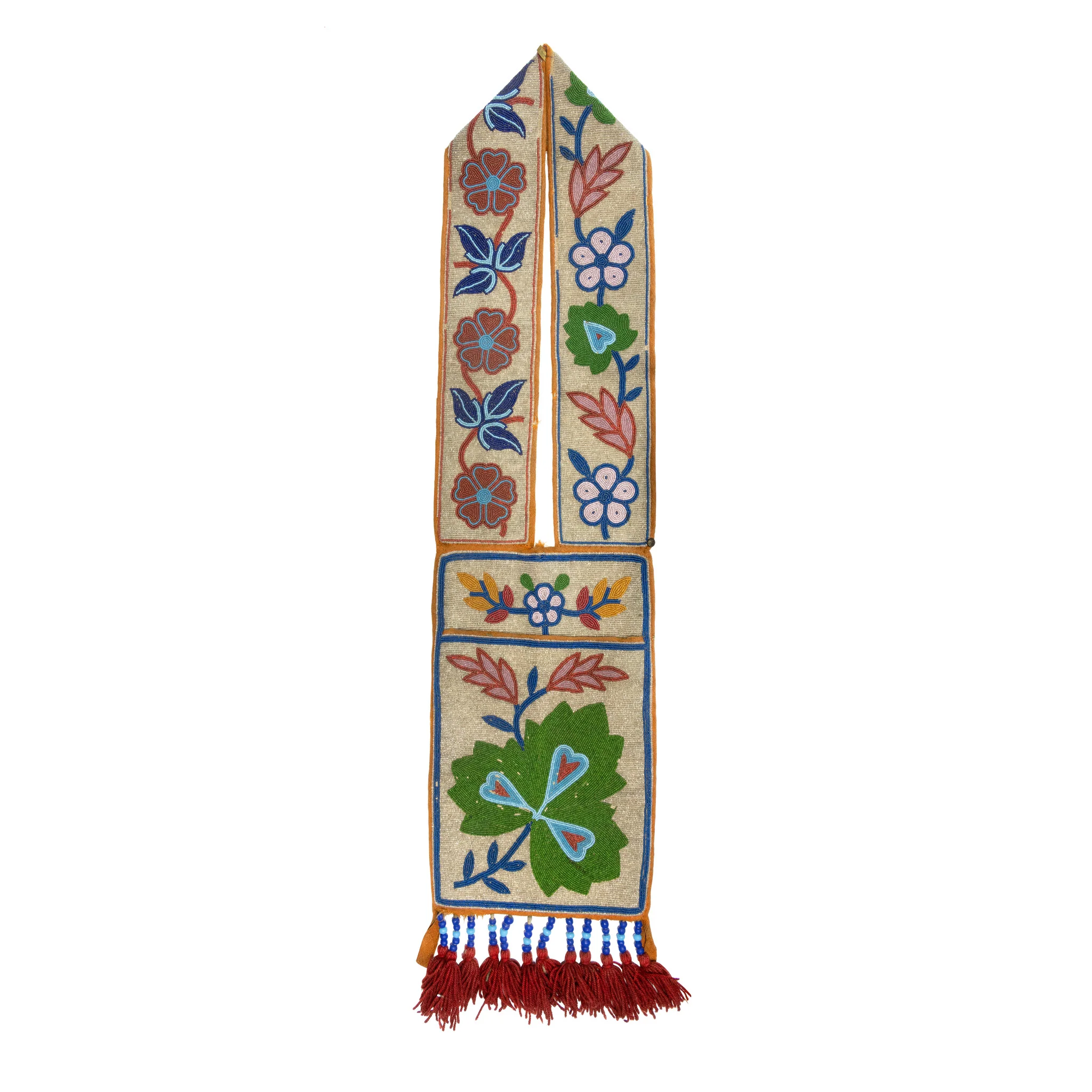
Ojibwe Bandolier
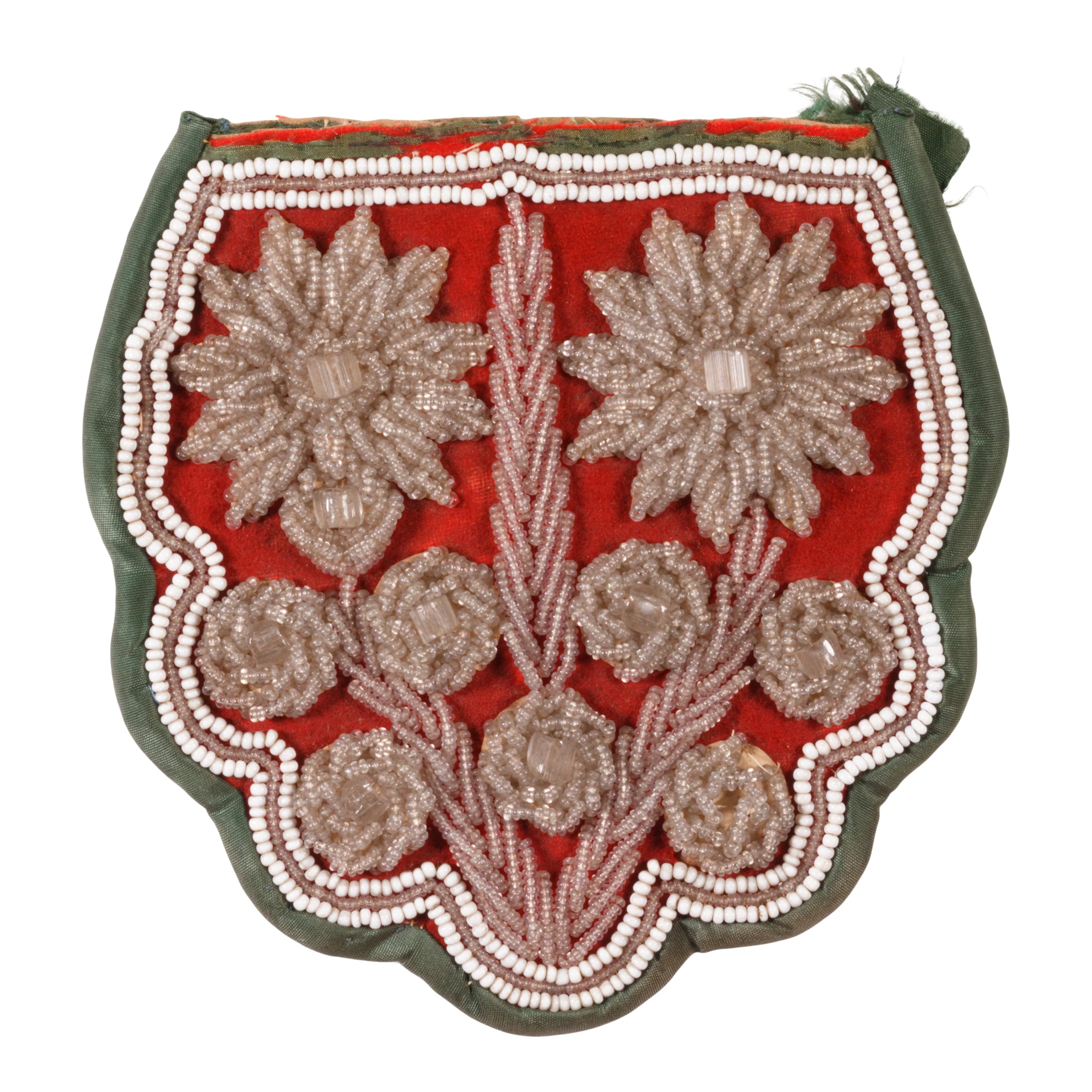
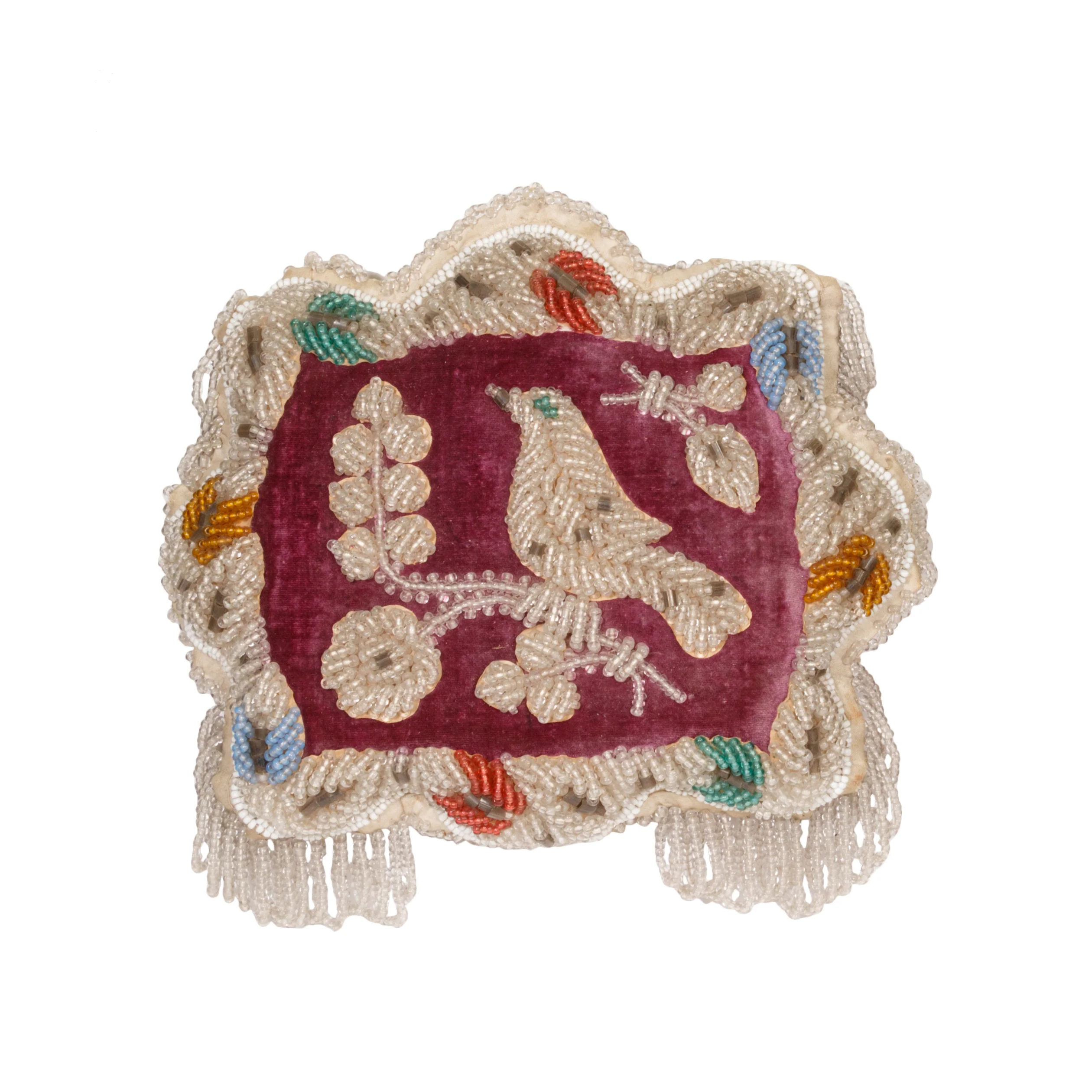
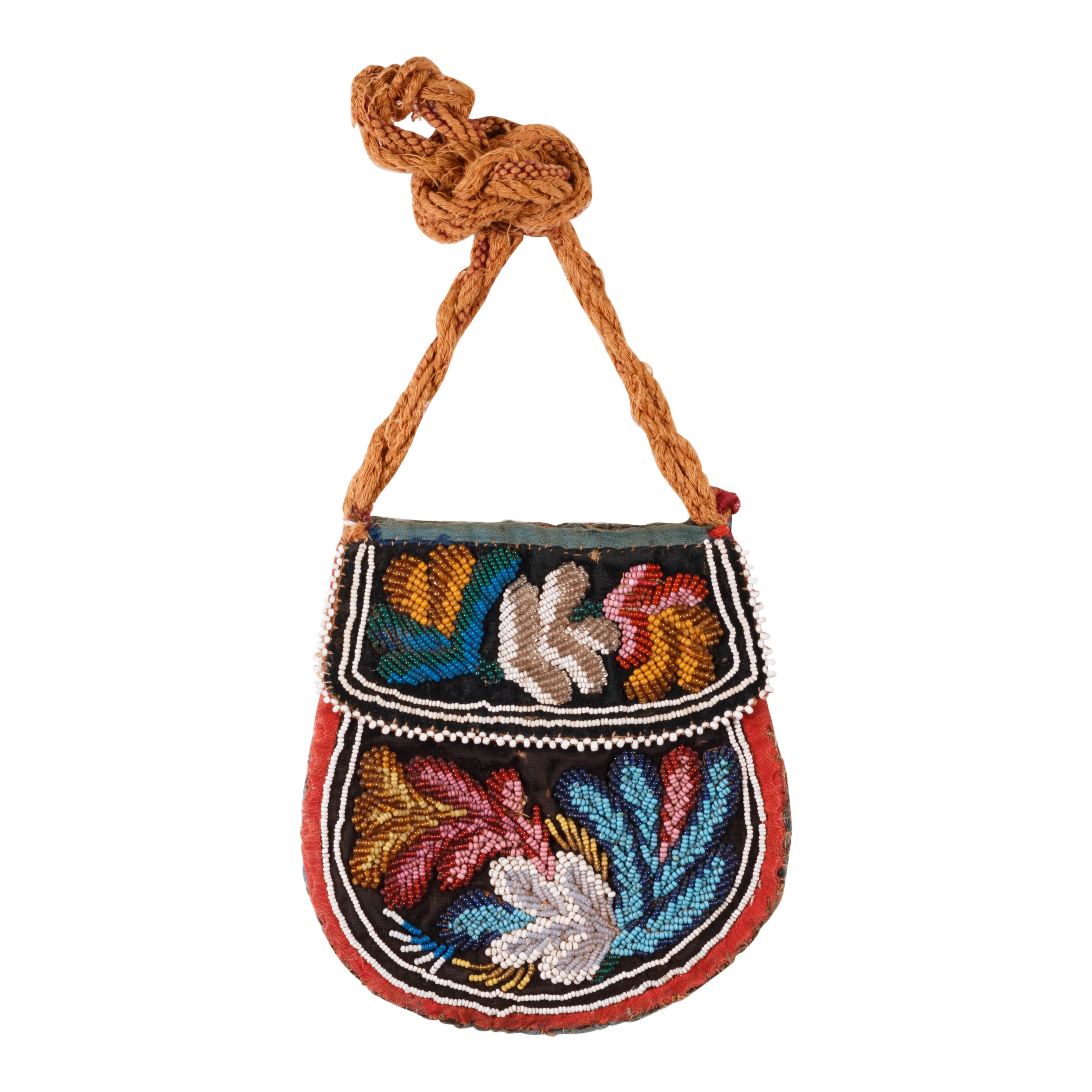
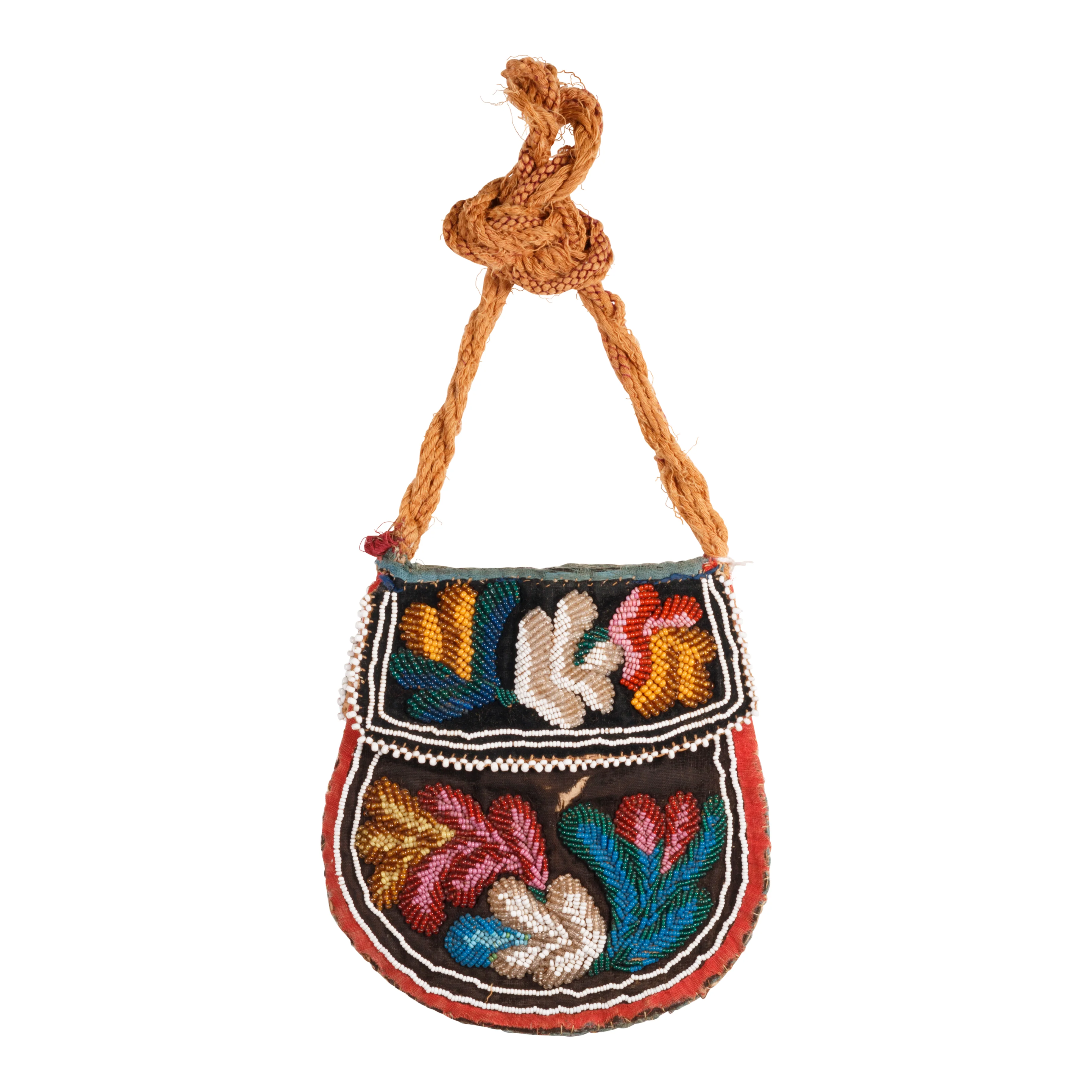
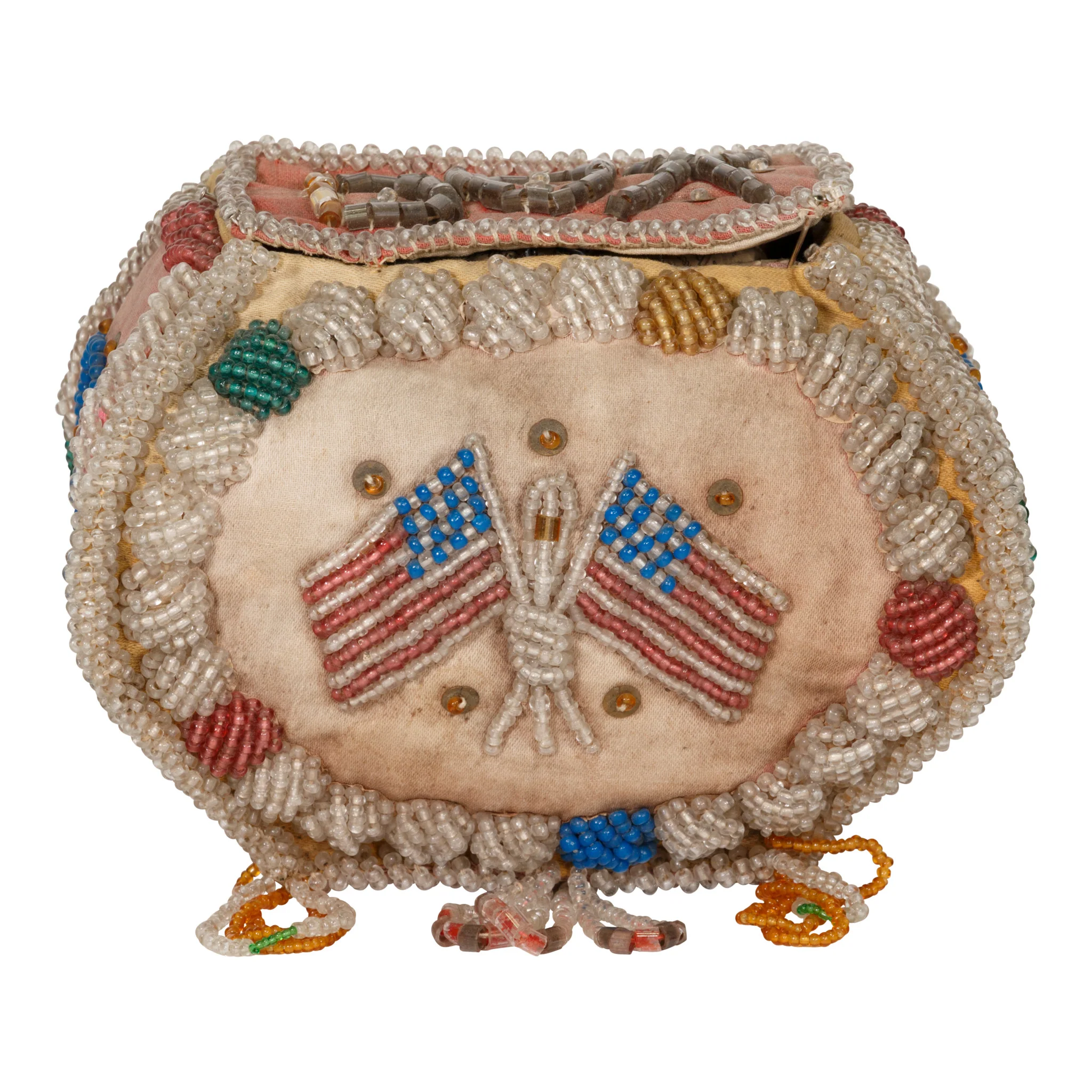
Ojibwe bandolier with full pocket and flour sack lining. Beaded drops with yarn tuffs. 10" x 36" plus drops
The Ojibwe people can be found through Ontario and into Montana. The name “Ojibwe” (meaning “puckered up”) was given to them by other tribes, referencing their traditional moccasins with a puckered seam on top. The Ojibwe call themselves “Anishinaabeg”, meaning “True People.” Archaeological and linguistic evidence along with tribal oral tradition suggests that Ojibwe, Ottawa, and Potawatomi all originated from the same tribe and eventually split into three different groups.
PERIOD: 19th Century
ORIGIN: Eastern Woodlands - Ojibwe, Native American
SIZE: 10" x 36" plus drops
Ojibwe bandolier with full pocket and flour sack lining. Beaded drops with yarn tuffs. 10" x 36" plus drops
The Ojibwe people can be found through Ontario and into Montana. The name “Ojibwe” (meaning “puckered up”) was given to them by other tribes, referencing their traditional moccasins with a puckered seam on top. The Ojibwe call themselves “Anishinaabeg”, meaning “True People.” Archaeological and linguistic evidence along with tribal oral tradition suggests that Ojibwe, Ottawa, and Potawatomi all originated from the same tribe and eventually split into three different groups.
PERIOD: 19th Century
ORIGIN: Eastern Woodlands - Ojibwe, Native American
SIZE: 10" x 36" plus drops
$1,575.00
Original: $4,500.00
-65%Ojibwe Bandolier—
$4,500.00
$1,575.00Description
Ojibwe bandolier with full pocket and flour sack lining. Beaded drops with yarn tuffs. 10" x 36" plus drops
The Ojibwe people can be found through Ontario and into Montana. The name “Ojibwe” (meaning “puckered up”) was given to them by other tribes, referencing their traditional moccasins with a puckered seam on top. The Ojibwe call themselves “Anishinaabeg”, meaning “True People.” Archaeological and linguistic evidence along with tribal oral tradition suggests that Ojibwe, Ottawa, and Potawatomi all originated from the same tribe and eventually split into three different groups.
PERIOD: 19th Century
ORIGIN: Eastern Woodlands - Ojibwe, Native American
SIZE: 10" x 36" plus drops