🎉 Up to 70% Off Selected ItemsShop Sale

1 / 4
Northwest Coast Whalebone D-Adze
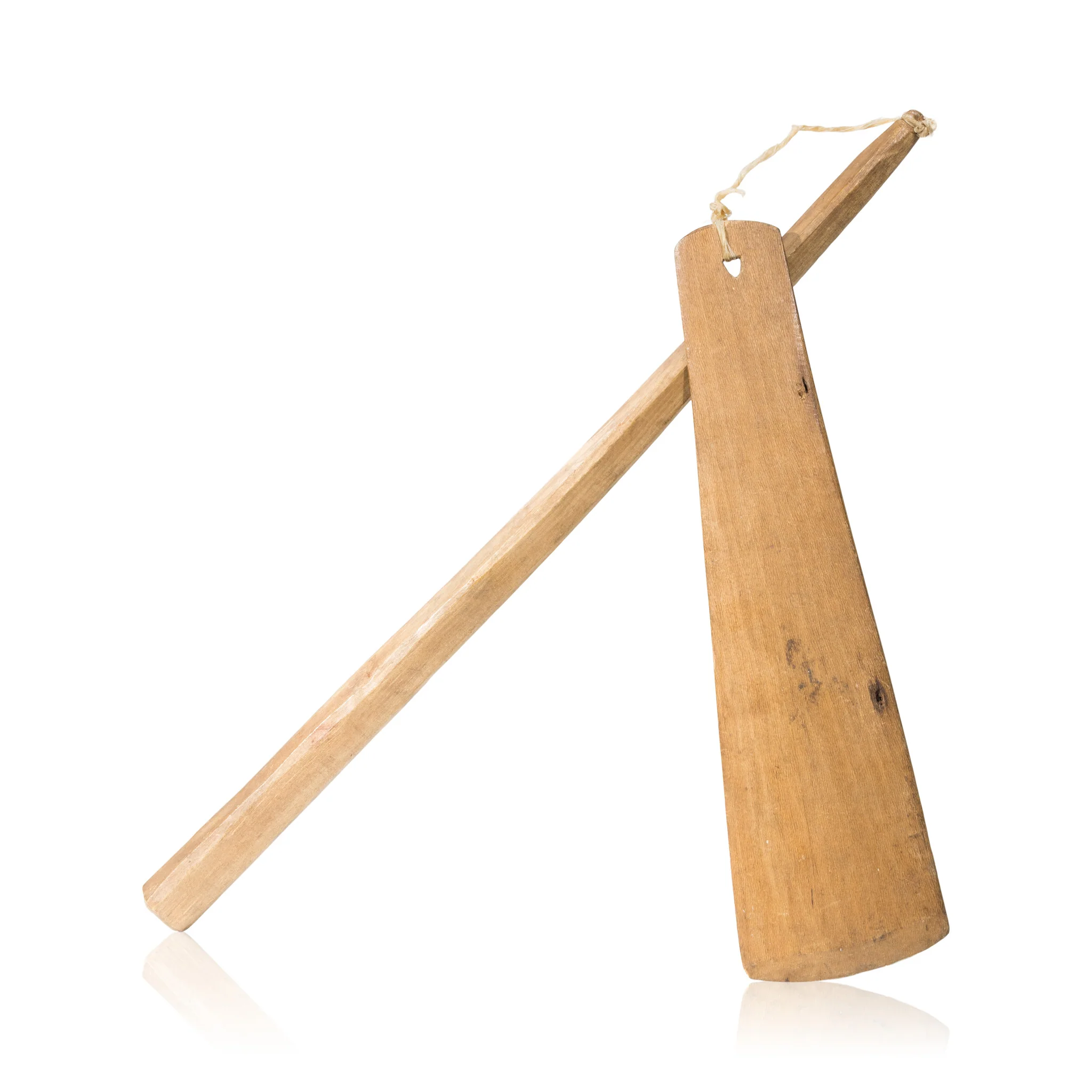
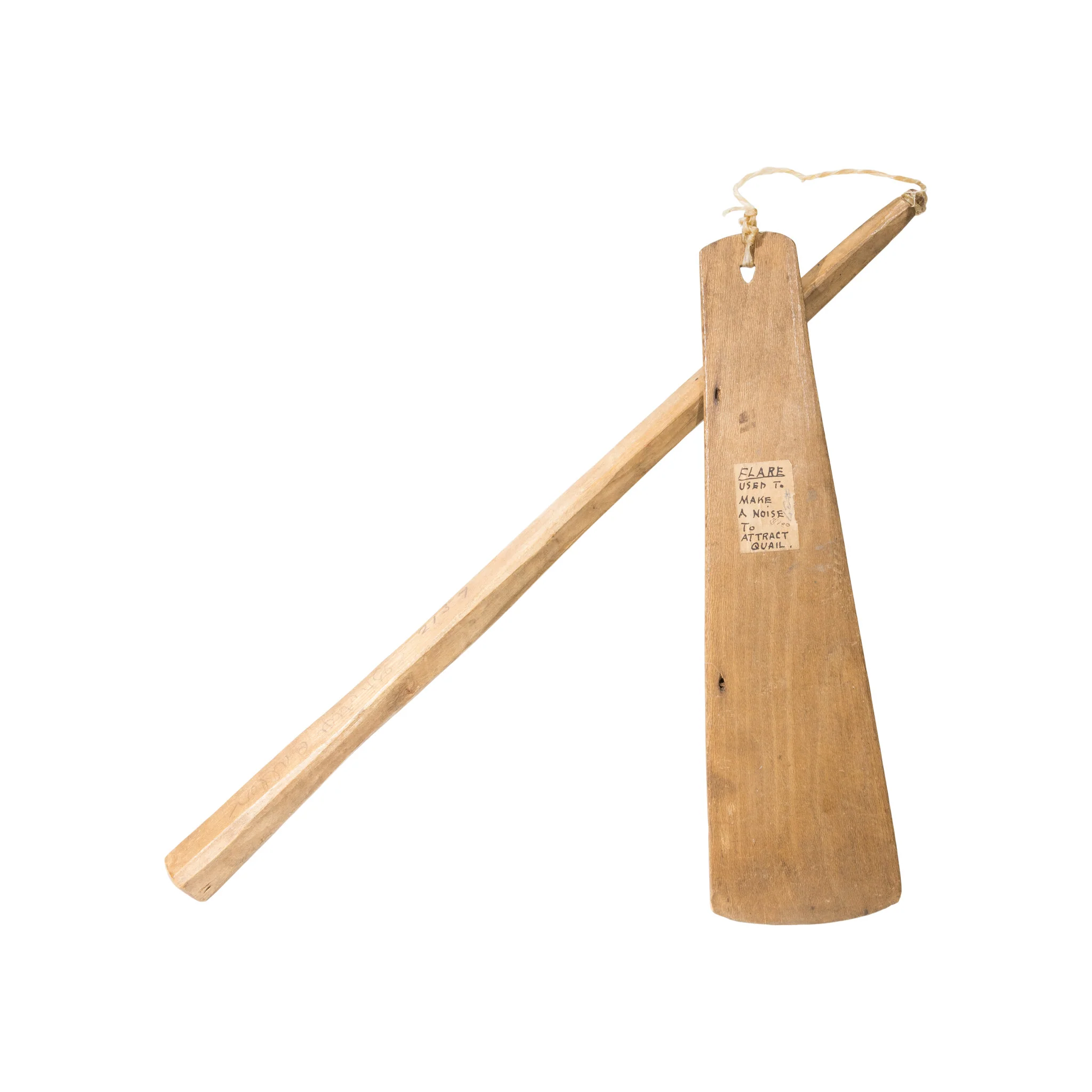
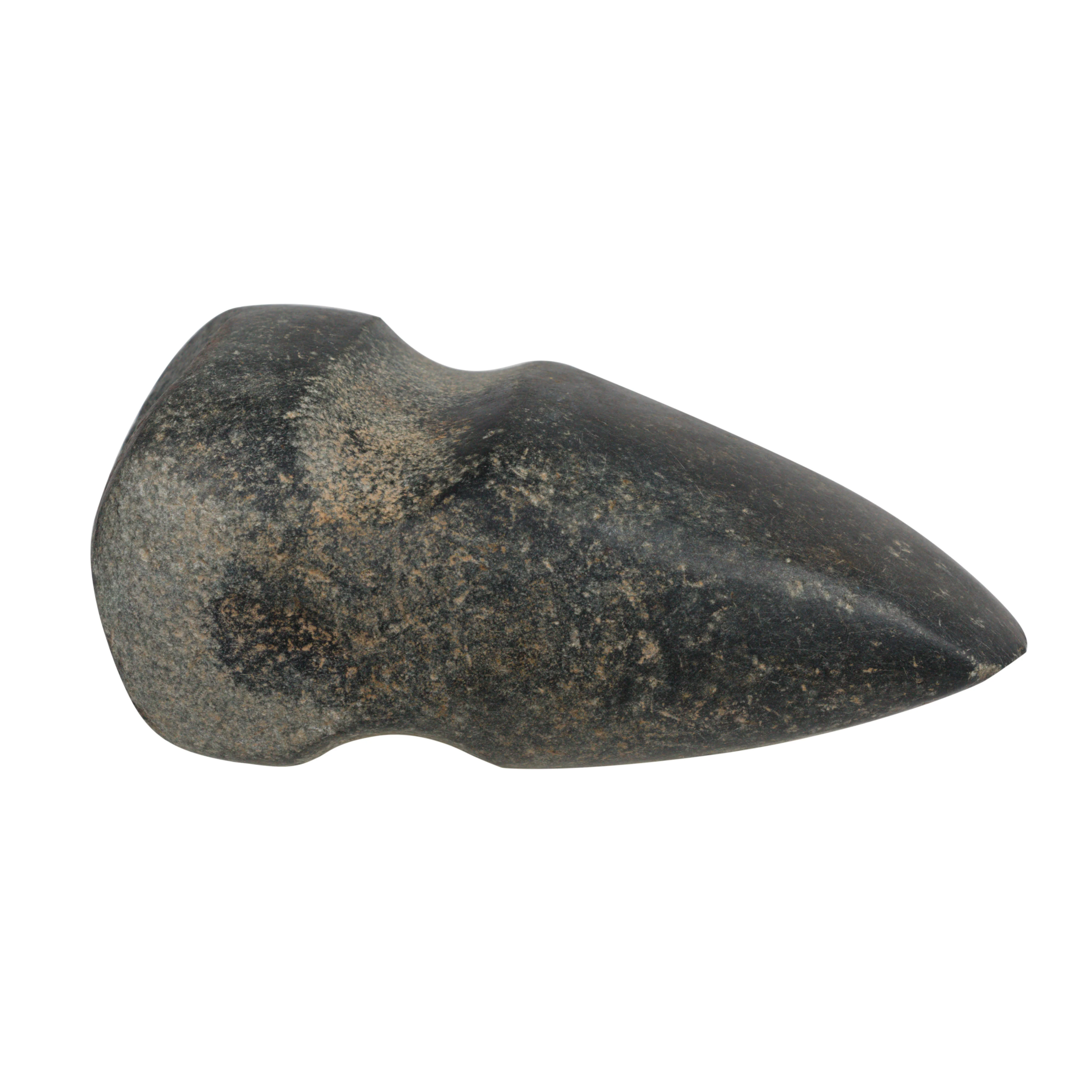
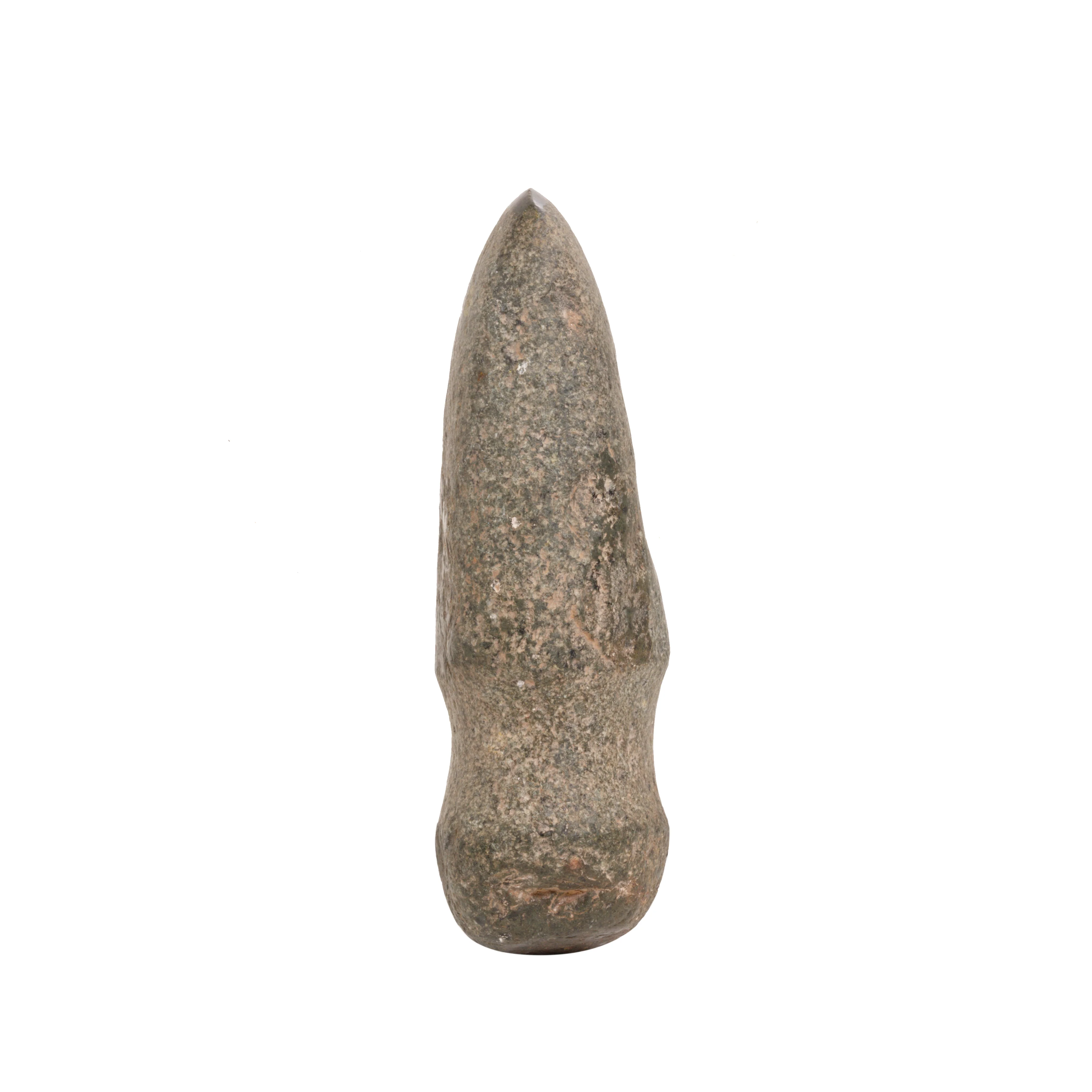
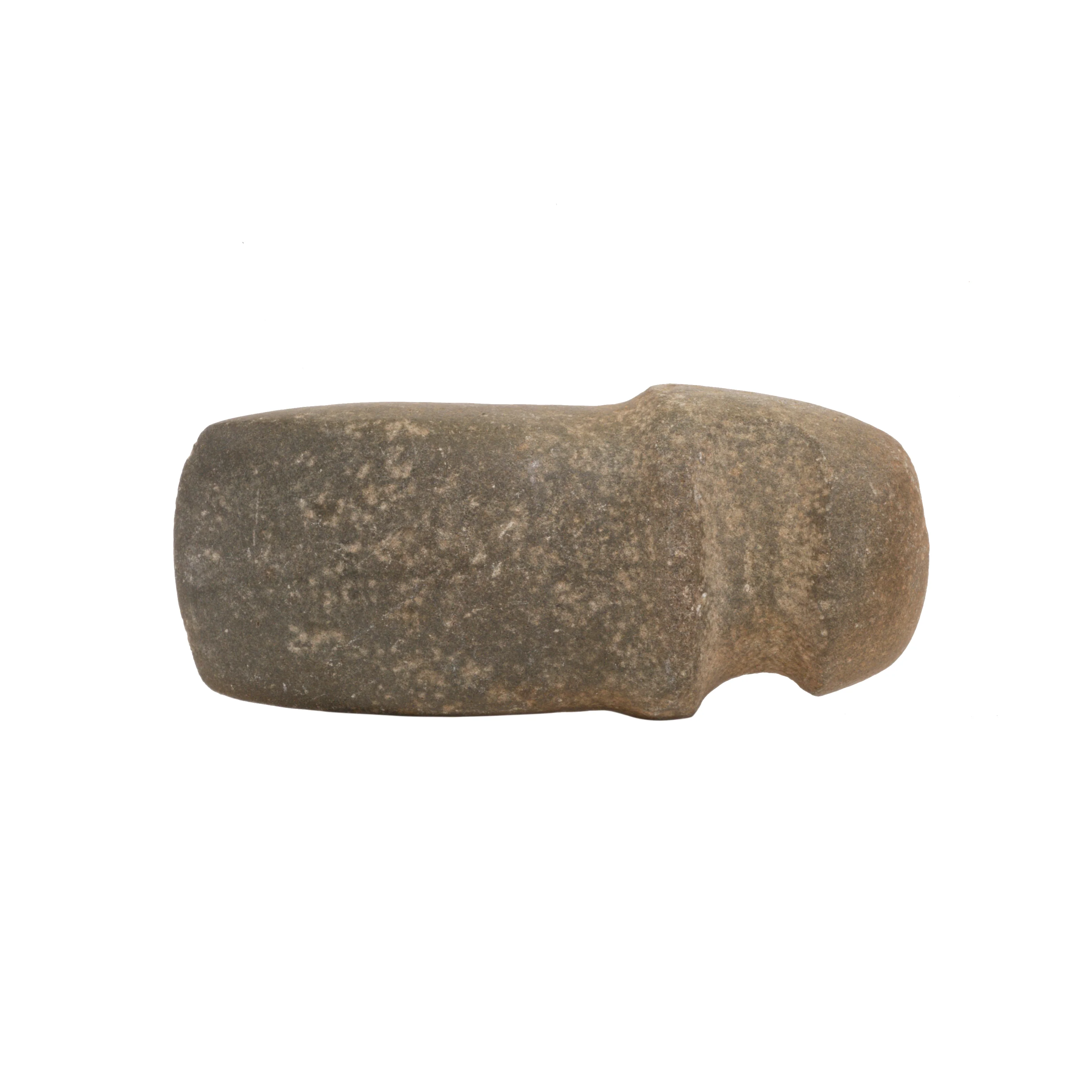
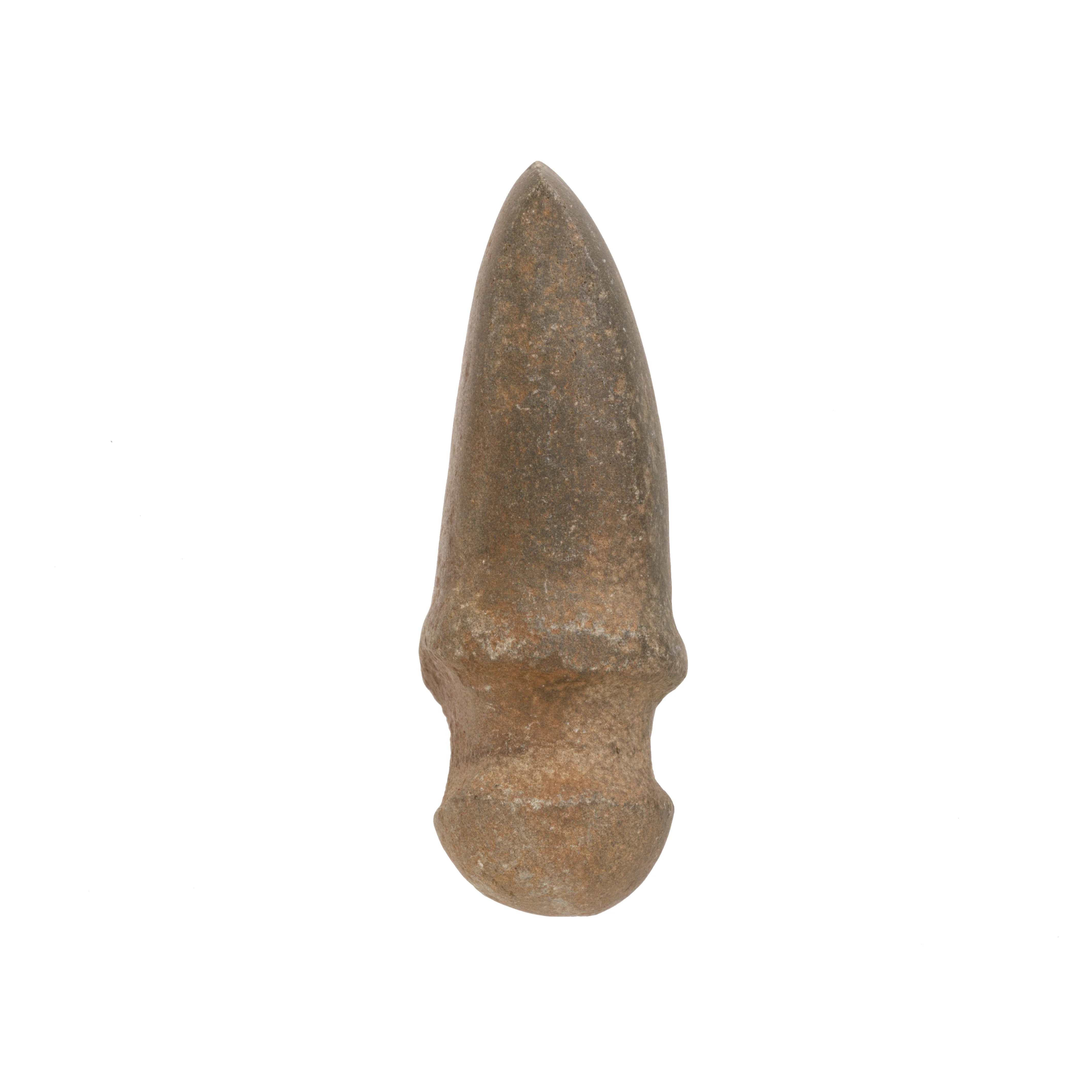
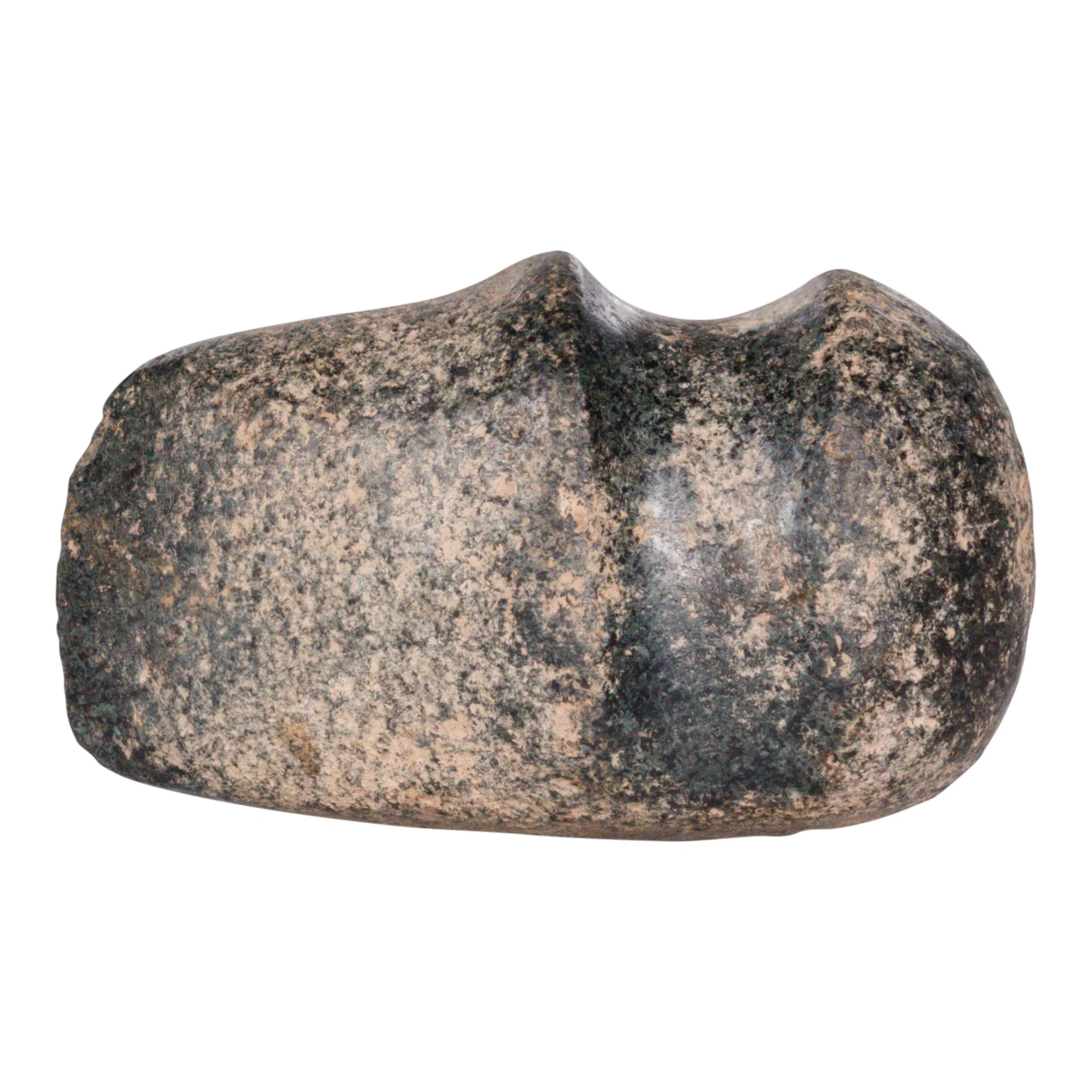
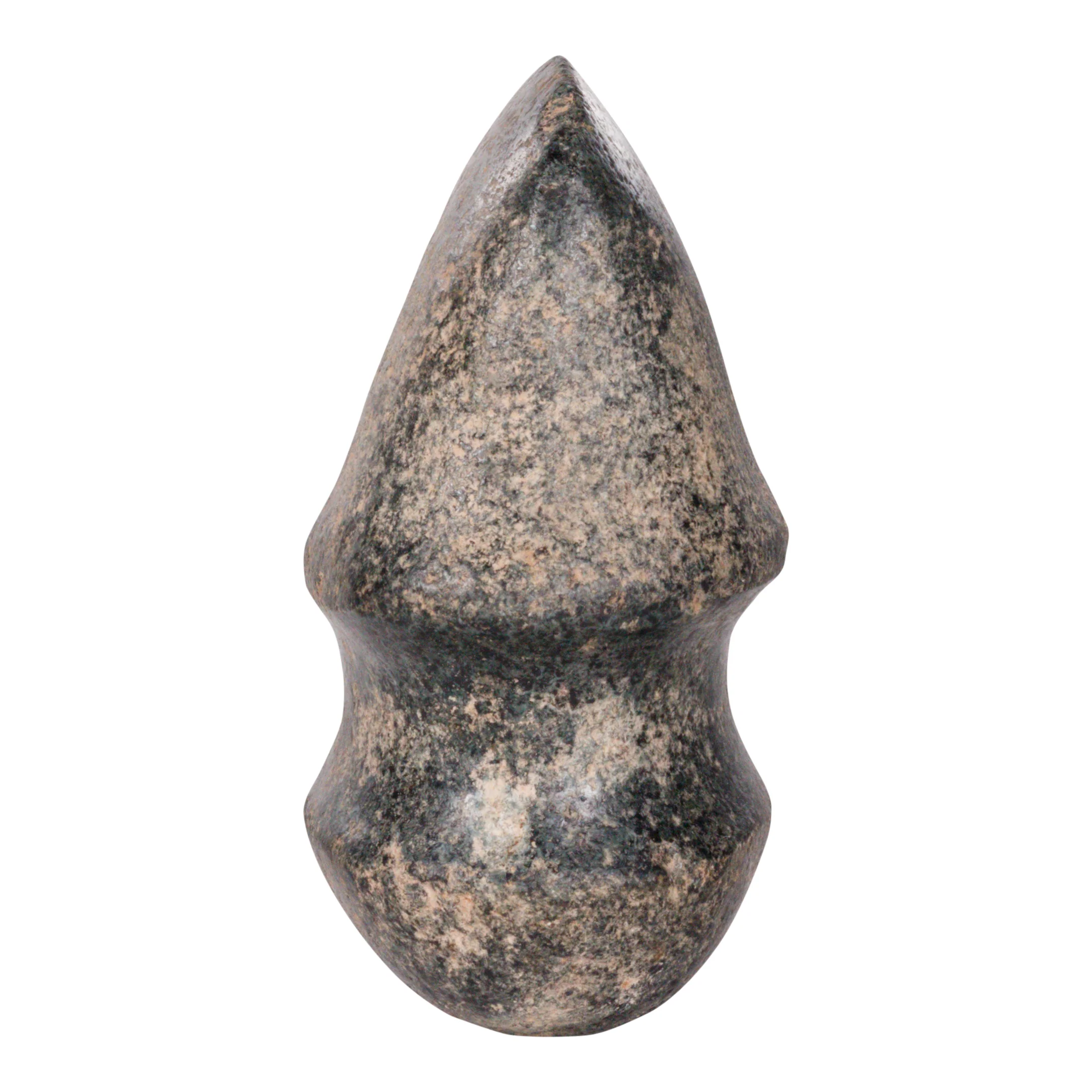
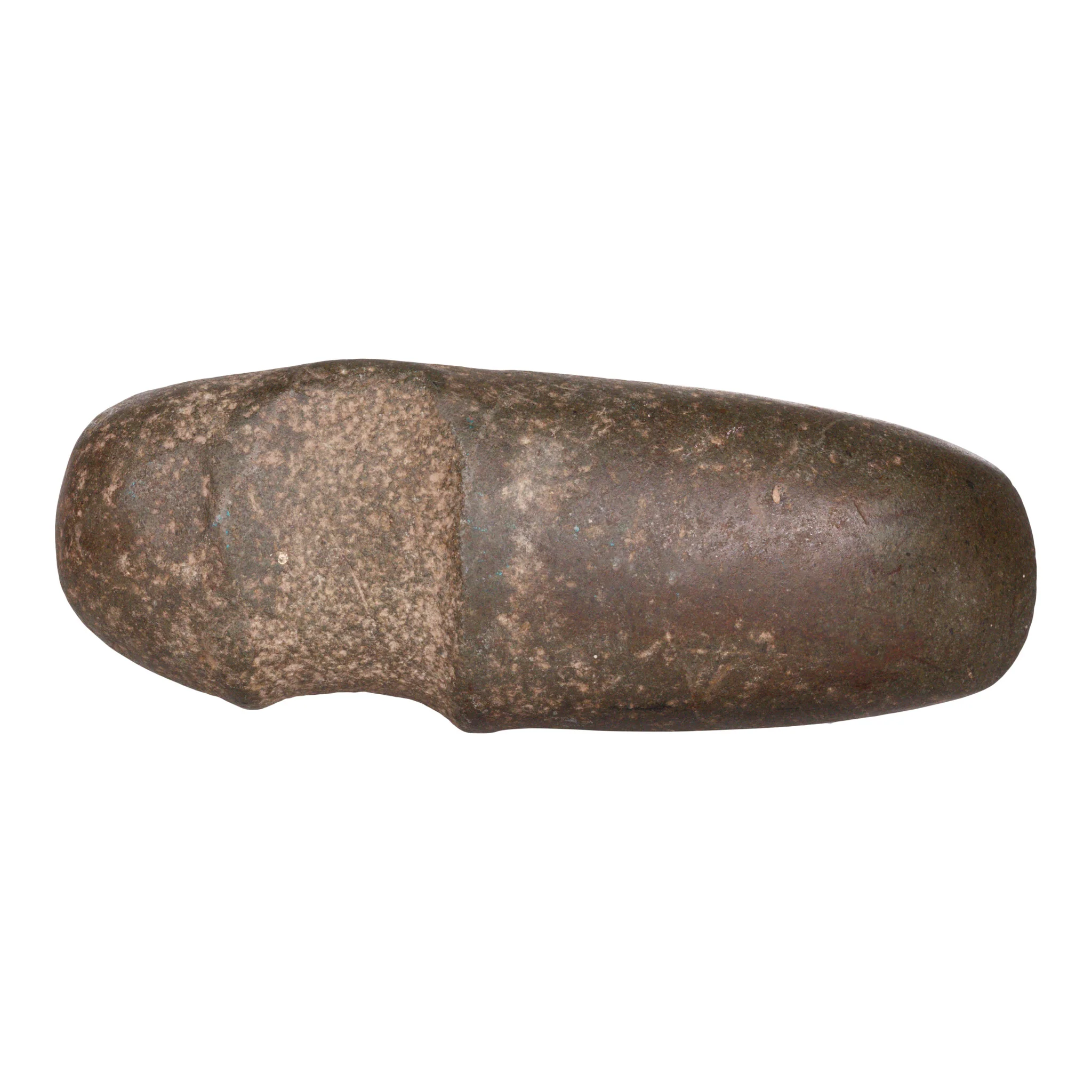
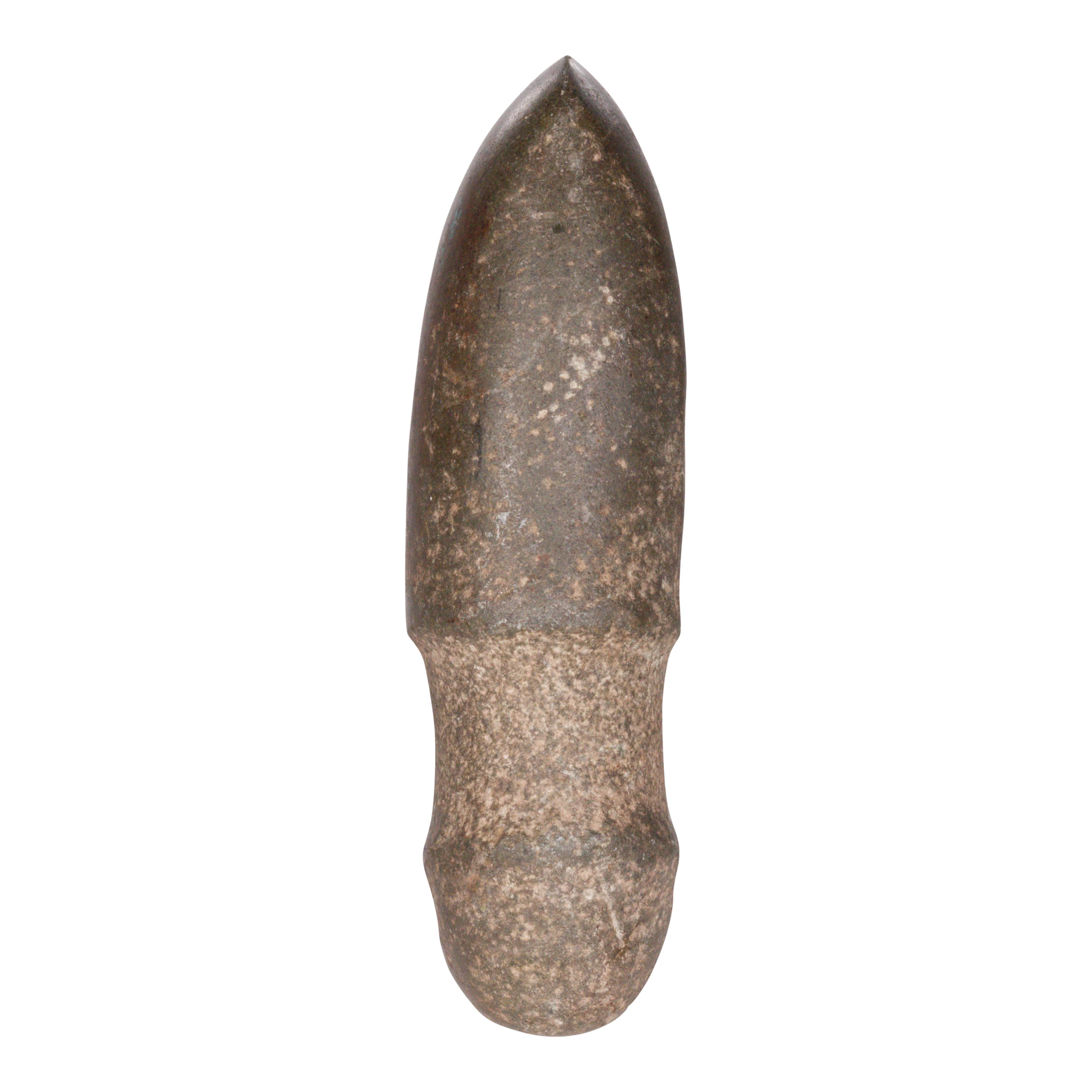
19th Century Southern Northwest Coast/Olympic Peninsula (Makah, Quileute or Quinault) whalebone D-adze. 9" x 3 1/2" x 1" blade.
Although “d-adze” carving tools have been used up and down the Northwest Coast in the creation of monumental poles, canoes, planks for longhouses, and household items, their use was most developed and likely originated in the Southern Northwest Coast region.
More specifically, on the Olympic Peninsula in the State of Washington. There, among the Makah, Quileute, and Quinault, d-adzes – so called because of the shape of their ergonomic handles – were fashioned out of whalebone and iron and used to rough out carvings and create dugout canoes.
Post-contact blades, such as this one, were often fashioned from iron files, with pre-contact examples using nephrite, stone, bone, animal teeth, and occasionally, metal from Japanese shipwrecks that would wash ashore near their villages. [1]
This is a fine example with years of use giving the whalebone a warm patina, with a pleasing profile that recalls the shape of a dugout canoe, complete with bow and stern. The forged iron blade, likely from a traded file, is lashed to the handle with a deer or elk skin tong. [2]
1. Makah and Cultural and Research Center Online Museum. Tools. https://content.lib.washington.edu/cmpweb/exhibits/makah/tools.html. Accessed 4 December 2025.
2. Ibid. See website for similar example.
PERIOD: 19th Century
ORIGIN: Northwest Coast - Unknown, Native American
SIZE: 9" x 3 1/2" x 1" blade
19th Century Southern Northwest Coast/Olympic Peninsula (Makah, Quileute or Quinault) whalebone D-adze. 9" x 3 1/2" x 1" blade.
Although “d-adze” carving tools have been used up and down the Northwest Coast in the creation of monumental poles, canoes, planks for longhouses, and household items, their use was most developed and likely originated in the Southern Northwest Coast region.
More specifically, on the Olympic Peninsula in the State of Washington. There, among the Makah, Quileute, and Quinault, d-adzes – so called because of the shape of their ergonomic handles – were fashioned out of whalebone and iron and used to rough out carvings and create dugout canoes.
Post-contact blades, such as this one, were often fashioned from iron files, with pre-contact examples using nephrite, stone, bone, animal teeth, and occasionally, metal from Japanese shipwrecks that would wash ashore near their villages. [1]
This is a fine example with years of use giving the whalebone a warm patina, with a pleasing profile that recalls the shape of a dugout canoe, complete with bow and stern. The forged iron blade, likely from a traded file, is lashed to the handle with a deer or elk skin tong. [2]
1. Makah and Cultural and Research Center Online Museum. Tools. https://content.lib.washington.edu/cmpweb/exhibits/makah/tools.html. Accessed 4 December 2025.
2. Ibid. See website for similar example.
PERIOD: 19th Century
ORIGIN: Northwest Coast - Unknown, Native American
SIZE: 9" x 3 1/2" x 1" blade
$5,000.00
Northwest Coast Whalebone D-Adze—
$5,000.00
Description
19th Century Southern Northwest Coast/Olympic Peninsula (Makah, Quileute or Quinault) whalebone D-adze. 9" x 3 1/2" x 1" blade.
Although “d-adze” carving tools have been used up and down the Northwest Coast in the creation of monumental poles, canoes, planks for longhouses, and household items, their use was most developed and likely originated in the Southern Northwest Coast region.
More specifically, on the Olympic Peninsula in the State of Washington. There, among the Makah, Quileute, and Quinault, d-adzes – so called because of the shape of their ergonomic handles – were fashioned out of whalebone and iron and used to rough out carvings and create dugout canoes.
Post-contact blades, such as this one, were often fashioned from iron files, with pre-contact examples using nephrite, stone, bone, animal teeth, and occasionally, metal from Japanese shipwrecks that would wash ashore near their villages. [1]
This is a fine example with years of use giving the whalebone a warm patina, with a pleasing profile that recalls the shape of a dugout canoe, complete with bow and stern. The forged iron blade, likely from a traded file, is lashed to the handle with a deer or elk skin tong. [2]
1. Makah and Cultural and Research Center Online Museum. Tools. https://content.lib.washington.edu/cmpweb/exhibits/makah/tools.html. Accessed 4 December 2025.
2. Ibid. See website for similar example.
PERIOD: 19th Century
ORIGIN: Northwest Coast - Unknown, Native American
SIZE: 9" x 3 1/2" x 1" blade